Hair care and salon visits, explained
Keratin Treatments and Formaldehyde: What UK Safety Rules Say
8 November 2026
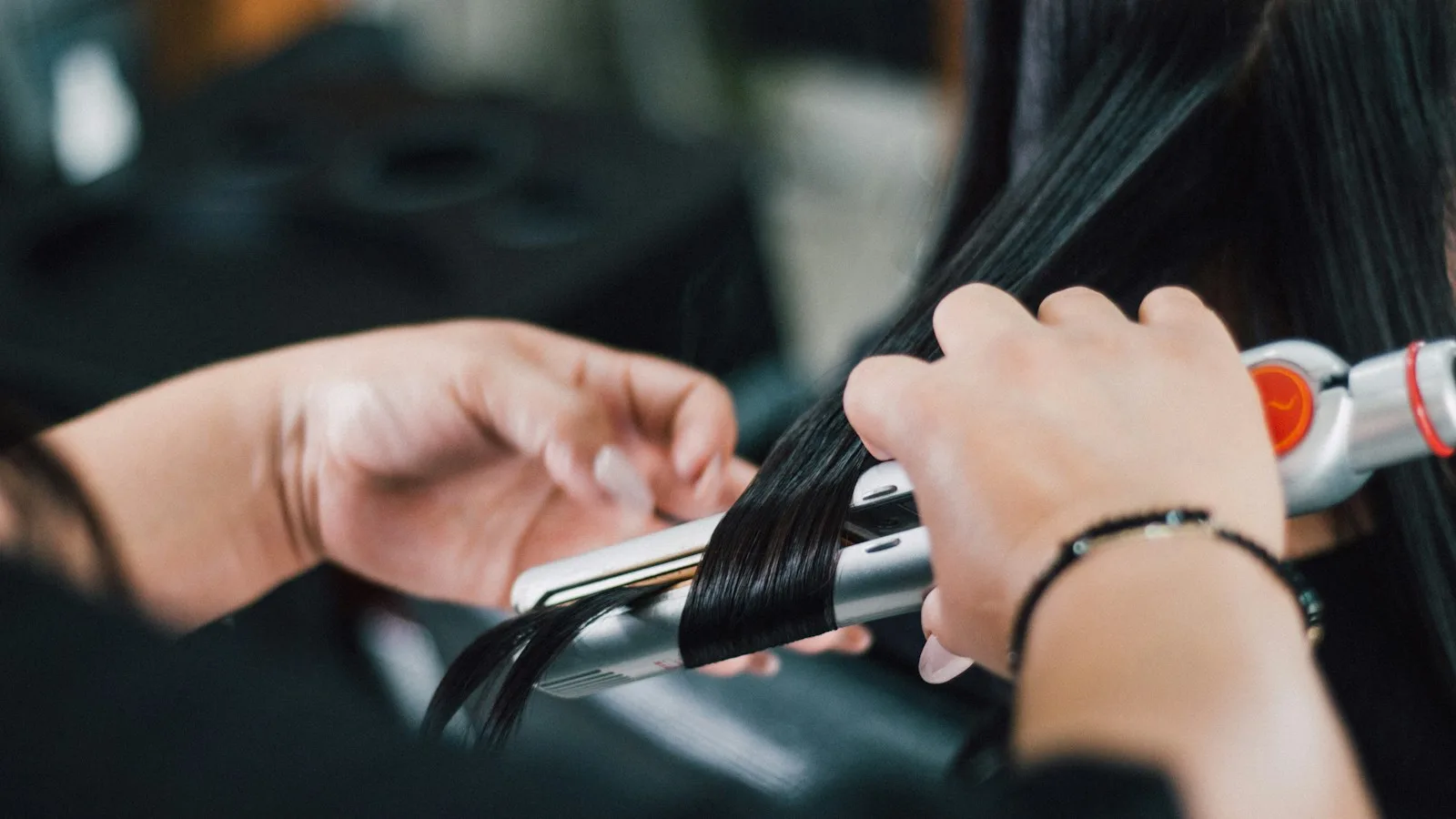
Keratin hair treatments are chemical treatments used to smooth hair. One safety concern is formaldehyde. A product recall published by the Office for Product Safety and Standards (OPSS) in March 2026 says formaldehyde is prohibited for use in cosmetic products. Here's what the official sources say, and what to check before you book.
Quick answer: A 2026 OPSS recall notice says formaldehyde is prohibited for use in cosmetic products, and the keratin hair treatment it covers was recalled because it contained formaldehyde. Before a smoothing treatment, ask to see the product and its ingredients list, check it names a Responsible Person with a UK or EU address, and look it up on the GOV.UK product safety alerts list.
Key Takeaways
OPSS says all cosmetic products must be safe, whether they're sold, given away or used by professionals.
An OPSS recall from March 2026 says formaldehyde is prohibited for use in cosmetic products.
UKHSA says breathing formaldehyde can irritate the nose, mouth and throat, and skin contact can cause irritation and allergic contact dermatitis.
OPSS advises caution with products that lack clear information, have no Responsible Person, or are marked "professional use only".
You can search GOV.UK's list of product safety alerts, reports and recalls.
What the rules say about cosmetics
OPSS guidance on buying and using cosmetics says hairdressing products count as cosmetics, apart from hair extensions. All cosmetic products must be safe, whether they're sold, given away or used by professionals or the public. What they contain is tightly regulated: some substances are banned and others restricted.
Before a new cosmetic product is made available, a qualified professional must assess it to confirm it's safe. Products for consumers in Great Britain must be notified to OPSS and must have a named "Responsible Person" with a UK or EU address.
Formaldehyde in a recalled keratin treatment
In March 2026, OPSS published a product recall for a professional keratin hair treatment made in Brazil. The notice rates it as a serious chemical risk "because it contains formaldehyde", and states that formaldehyde is prohibited for use in cosmetic products.
The recall was notified by local authority Trading Standards, who required the product to be recalled from end users. Anyone who owned it was advised to stop using it straight away.
UKHSA's general information on formaldehyde notes that, in the EU, it may be used under restriction as a preservative in cosmetics and nail hardening products. The recall above concerned a keratin treatment found to contain it.
Why formaldehyde is a concern
UKHSA's general information on formaldehyde describes it as a colourless gas with a pungent, suffocating smell. It lists these effects:
Breathing it in can irritate the nose, mouth and throat. In severe cases, it can cause breathing difficulty and swelling of the larynx and lungs.
Vapour or splashes in the eyes cause immediate stinging and burning.
Skin contact can cause irritation and allergic contact dermatitis.
People with breathing problems such as asthma may be more sensitive to it.
If your scalp is itchy or flaky after a treatment, our guide to dandruff and itchy scalps lists other causes the NHS mentions, including contact dermatitis.
UKHSA also says the International Agency for Research on Cancer has classified formaldehyde as a cause of cancer in humans. It says the evidence relates to industrial workers exposed over long periods (years), and that exposure over short periods is unlikely to carry the same level of risk. It also says low-level exposure from the correct use of consumer products containing formaldehyde would not be expected to cause adverse health effects.
What to check before a smoothing treatment
OPSS gives a list of warning signs when buying cosmetics. Be wary if:
the purpose of the product isn't clear
the product information is missing or minimal
the information isn't in English, or is poorly written
there's no named Responsible Person
there's no UK or EU address, or only a PO box or mail-forwarding address
the product is marked "professional use only"
OPSS says the packaging must show a list of ingredients, the name and address of the Responsible Person, and an identification number such as a batch number. It's reasonable to ask your stylist which product they use and to see the pack before you agree to the treatment.
What to ask | Why it matters |
|---|---|
Which product will you use? | You can check it against the GOV.UK recall list |
Can I see the ingredients list? | Packaging must list ingredients so people with allergies can check them |
Who is the Responsible Person? | Products for Great Britain must name one, with a UK or EU address |
Check the recall list yourself
GOV.UK keeps a searchable list of product safety alerts, reports and recalls. You can search it for a product name before your appointment. If a product you own is on it, follow the instructions in the notice.
If something goes wrong
UKHSA's advice after accidental exposure to formaldehyde is to move away from the source, and to seek medical advice if you've breathed it in. If formaldehyde solution gets on your skin, it says to wash the area with lukewarm water and soap for at least 10 to 15 minutes and seek medical attention if symptoms develop. If it gets in your eyes, it says to remove contact lenses, rinse the eye with lukewarm water for at least 10 to 15 minutes and seek medical advice.
Chemical treatments are also worth discussing when you're choosing a hairdresser.
If you're colouring at the same appointment, our guide to hair dye patch tests explains why the allergy test has to come 48 hours first.
The British Association of Dermatologists also says chemicals such as relaxers raise the risk of traction hair loss when combined with tight styles.
Is formaldehyde allowed in hair products in the UK?
A 2026 OPSS recall notice for a keratin hair treatment states that formaldehyde is prohibited for use in cosmetic products, and says the product did not meet the requirements of the cosmetics regulation. UKHSA notes that in the EU formaldehyde may be used under restriction as a preservative in some cosmetics, so check the ingredients list and the GOV.UK recall list for any treatment.
Has a keratin treatment been recalled in the UK?
Yes. In March 2026, OPSS published a recall for a professional keratin hair treatment made in Brazil because it contained formaldehyde. It was rated a serious chemical risk.
What are the symptoms of formaldehyde exposure?
UKHSA says breathing it in can irritate the nose, mouth and throat, splashes or vapour in the eyes cause stinging and burning, and skin contact can cause irritation and allergic contact dermatitis.
How do I check if a hair product has been recalled?
Search the product safety alerts, reports and recalls list on GOV.UK, which is published by the Office for Product Safety and Standards.