Hair care and salon visits, explained
Dandruff and Itchy Scalp: What Helps and When to See a GP
8 November 2026
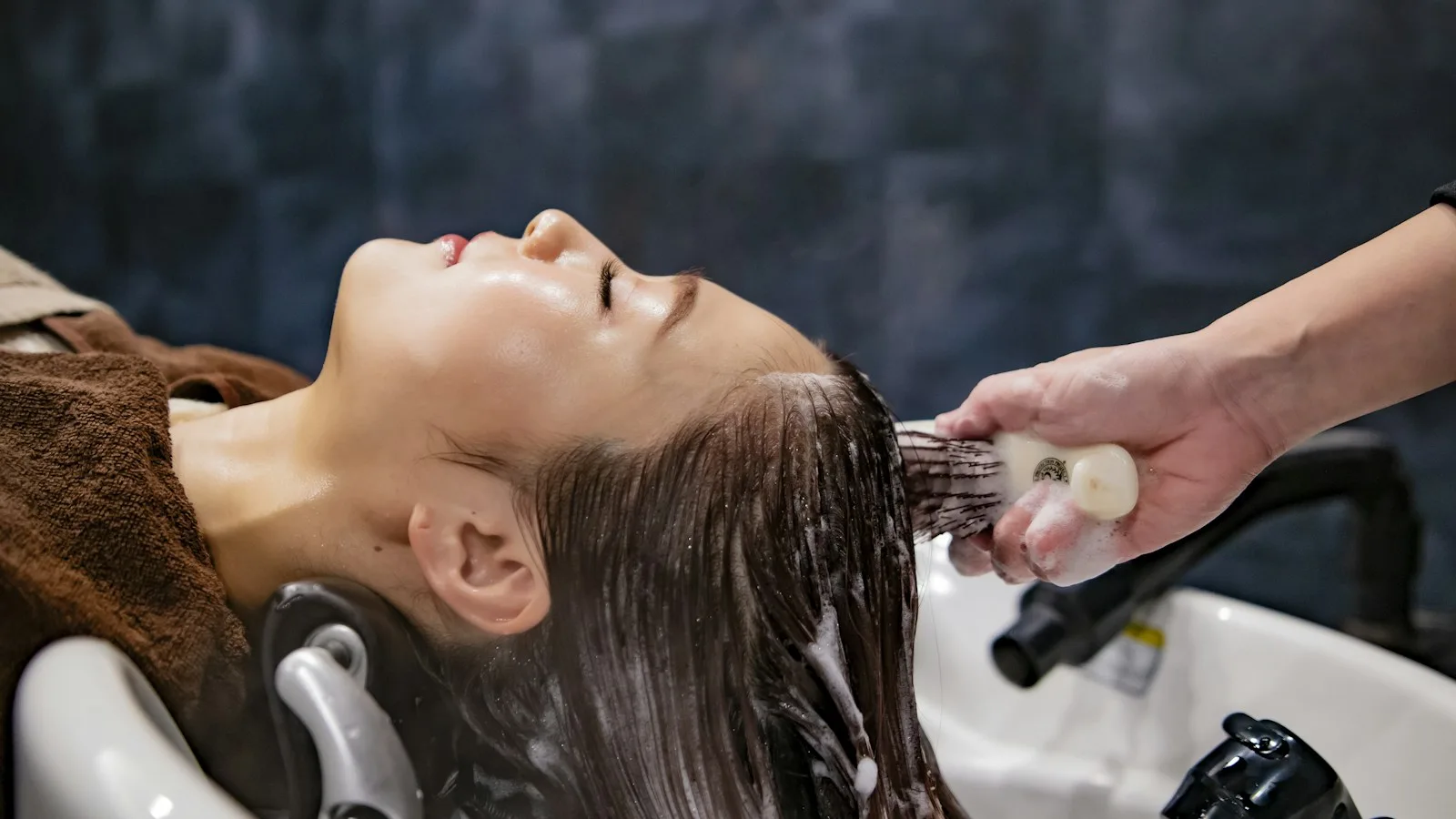
Dandruff is a common skin condition that causes white flakes of skin on the scalp and in the hair. The NHS says it isn't harmful and you can't catch it. You can treat it yourself with an anti-dandruff shampoo, but a few scalp symptoms point to something else. Here's what the NHS advises.
Quick answer: Use an anti-dandruff shampoo containing ketoconazole, coal tar or salicylic acid, and give it up to 4 weeks. You may need to try more than one type. See a GP if it hasn't improved after 4 weeks, if your scalp is very itchy, red or swollen, or if you have flaky, itchy patches on your face or body.
Key Takeaways
Dandruff isn't harmful and isn't contagious, according to the NHS.
It isn't caused by poor hygiene, though it can be more noticeable if hair isn't washed regularly.
The NHS suggests anti-dandruff shampoos with ketoconazole, coal tar or salicylic acid.
Give a shampoo up to 4 weeks before deciding whether it works.
A red, swollen or very itchy scalp, or patches elsewhere, are reasons to see a GP.
What dandruff looks like
The NHS page on dandruff describes white flakes of skin on the scalp and in the hair. They're often more noticeable in darker hair, or when they fall onto your shoulders. Your scalp may also feel dry and itchy.
What causes it
The NHS says dandruff isn't caused by poor hygiene, although it may be more obvious if you don't wash your hair regularly. It can be caused by different things, including a type of yeast that naturally lives on the skin and skin conditions such as eczema. Stress and cold weather may make it worse.
How to treat it yourself
The NHS recommends an anti-dandruff shampoo, which you can buy from pharmacies or supermarkets. Look for one that contains one or more of these ingredients:
ketoconazole
coal tar
salicylic acid
A pharmacist can tell you how to use the shampoo. Use it for up to 4 weeks to see if the dandruff gets better. You might need to try more than one type to find one that works for you.
When it might be something else
Flaking and itching can have other causes. The NHS lists these alongside dandruff:
Symptoms | Possible cause |
|---|---|
Scaly, itchy and red patches on the scalp, face and other areas | Seborrhoeic dermatitis |
Red or silver rash on the scalp, sometimes with patchy hair loss | Tinea capitis (ringworm) |
Dry, red, flaky and very itchy skin on areas of the body | Eczema |
Red, irritated skin, sometimes with blisters and cracked skin, after products such as hair dye, sprays, gels or mousses | Contact dermatitis |
Red, flaky, crusty and sore patches covered with silvery scales | Psoriasis |
Greasy, yellowish crusts on a baby's scalp, eyebrows and nappy area | Cradle cap |
The NHS says not to worry if you're not sure what's causing your dandruff. Follow the advice and see a GP if things don't get better in a month.
Scalp ringworm
The NHS page on ringworm says it's caused by a type of fungus and can appear on the scalp, where it may cause patchy hair loss. It can be passed on through close contact, including through combs and towels, so don't share them with someone who has it.
The NHS says to see a GP if you have ringworm on your scalp, because you'll usually need prescription antifungal tablets and shampoo.
Itching from head lice
The NHS says head lice can make your head feel itchy. Its page on head lice and nits says they're very common in young children, aren't caused by dirty hair, and are picked up by head-to-head contact. It recommends wet combing with a detection comb on days 1, 5, 9 and 13, then checking again on day 17. Medicated lotions and sprays are available from pharmacies, but the NHS says not to use them to prevent head lice because they can irritate the scalp.
When to see a GP
The NHS says to see a GP if:
you still have dandruff after using an anti-dandruff shampoo for at least 4 weeks
your dandruff is bad or your scalp is very itchy
your scalp is red or swollen
you have flaky, itchy patches on your face or other parts of your body
The GP can check your scalp for skin conditions that could be causing it.
If your scalp reacted after colouring, read our guide to hair dye patch tests, because the NHS says reactions can take up to 72 hours to appear.
If you're losing hair along with scalp itching or flaking around a tight hairstyle, our guide to traction hair loss covers what the dermatologists say.
If you're booking a hair colour, the colour appointment checklist sets out what to sort out before you go.
Is dandruff caused by not washing your hair?
No. The NHS says dandruff isn't caused by poor hygiene, although it may be more obvious if you don't wash your hair regularly.
Which shampoo is best for dandruff?
The NHS suggests an anti-dandruff shampoo containing ketoconazole, coal tar or salicylic acid. You might need to try more than one type to find one that works for you.
How long should I use anti-dandruff shampoo?
Use it for up to 4 weeks to see if your dandruff gets better. If it hasn't improved after 4 weeks, the NHS says to see a GP.
Is dandruff contagious?
No. The NHS says dandruff is a common skin condition that isn't harmful and can't be caught.