Hair care and salon visits, explained
Hair Dye Patch Tests: Why the 48-Hour Wait Matters
8 November 2026
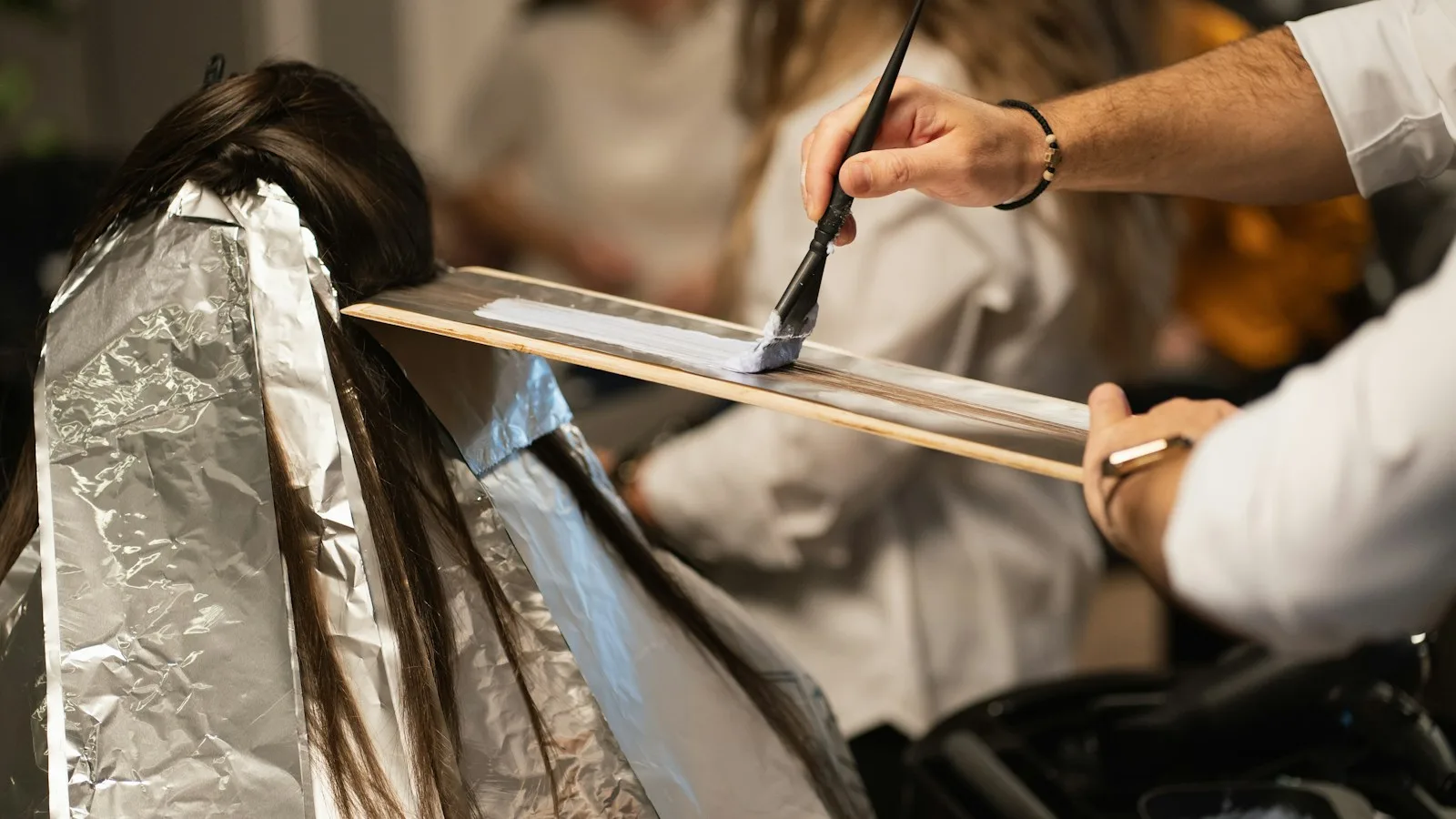
A hair dye patch test, often called an Allergy Alert Test, checks whether your skin reacts to a hair colour before it goes on your whole head. Anaphylaxis UK says the test should be done 48 hours before you colour your hair, every single time, whether you colour at home or in a salon. Here's why the wait matters and what the official guidance says.
Quick answer: Do an allergy alert test 48 hours before every hair colour, following the instructions in the pack or the ones your hairdresser gives you. Wait the full 48 hours. If you react, don't use the dye. If you've reacted to hair dye before, Anaphylaxis UK advises seeing your GP before colouring your hair again.
Key Takeaways
Anaphylaxis UK says the test should be done 48 hours before colouring, every time, at home or in a salon.
The NHS says many permanent and some semi-permanent dyes contain PPD, a chemical known to cause allergic reactions.
A black henna tattoo can raise your risk of reacting to PPD later, according to the NHS.
Symptoms can take up to 72 hours to appear, the NHS says.
Anaphylaxis UK says changing shade or brand isn't enough if you're allergic, because many use the same ingredients.
What the test is for
Anaphylaxis UK's factsheet on allergy to hair dye says the ingredient most often responsible for a reaction is para-phenylenediamine, or PPD. It's used in many permanent dyes to darken hair or cover grey. Reactions can also happen to a similar dye called PTD (para-toluenediamine).
The factsheet says people can become allergic to PPD at any time, even if they've used it before without any problems. That's why a test you did last year doesn't cover you this year.
Why a patch test before colouring needs 48 hours
The factsheet is clear that the test needs a full 48 hours for any reaction to develop, and that it's important not to cut the time short. It also says the test has to be repeated each time you colour your hair, because:
an allergy can develop over time
the ingredients in a product could have changed since you last used it
Your hairdresser should explain the procedure and offer the test before your appointment, so book it in when you book the colour. It's a good question to ask when you're choosing a hairdresser.
The colour appointment checklist sets out the other things to sort out beforehand.
Who is more at risk
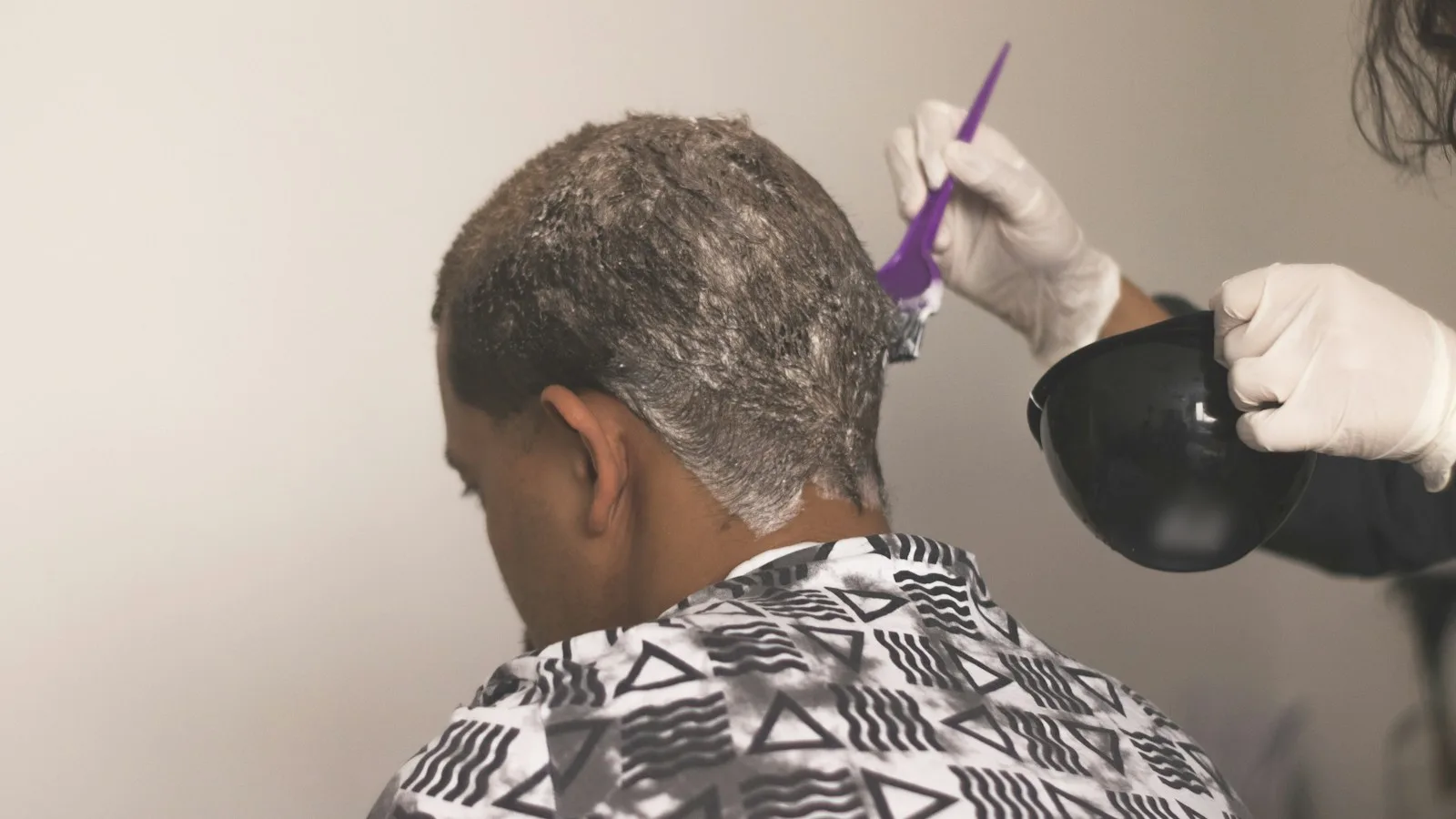
The NHS page on hair dye reactions says many permanent and some semi-permanent hair dyes contain PPD, which is known to irritate skin or cause allergic reactions.
It adds that you may be more at risk if you have had a black henna tattoo. The paste used for those tattoos can contain high levels of PPD, which can raise the risk of a reaction the next time you use anything that contains it, hair dye included.
What the NHS advises
The NHS lists these steps to help prevent a reaction:
Do | Don't |
|---|---|
Try to avoid products containing PPD, especially if you've reacted to hair dye or a black henna tattoo before | Carry on using a dye if you feel unwell or react after a test |
Test the dye on a strand of hair at least 48 hours before you use it, following the packet | Leave hair dye on for longer than the recommended time |
Follow the instructions that come with the dye | |
Wear gloves when you apply it | |
Choose a non-permanent dye if you've reacted to a permanent one |
If you feel you're having a reaction, the NHS says to wash your hair and scalp thoroughly with a mild shampoo straight away.
Signs of a reaction
Common skin reactions listed by the NHS include stinging and burning, an itchy rash, dryness, tightness and soreness, and blisters. On brown and black skin, a rash may look darker brown, purple or grey, or be harder to see.
Symptoms can take up to 72 hours to appear. A serious allergic reaction (anaphylaxis) to hair dye is possible but rare. Call 999 if lips, mouth, throat or tongue suddenly swell, if breathing becomes difficult, or if someone faints and can't be woken.
For milder symptoms, a pharmacist can suggest treatments such as an emollient or an antihistamine. See a GP if your symptoms get worse.
"PPD free" doesn't always mean safe for you
Anaphylaxis UK says that if you're allergic, simply choosing another shade or another brand isn't enough, because many products use the same ingredients. It also says a product marketed as "natural" isn't necessarily safer.
In 2024 the Office for Product Safety and Standards published a safety report on a lash and brow tint whose box said "PPD free". It contained toluene-2,5-diamine, a related dye that may cause a reaction in people allergic to PPD, so the claim was judged misleading and the product was withdrawn.
After a reaction
Anaphylaxis UK's advice is not to colour your hair again, including eyelashes and eyebrows, without first seeing your GP and getting a referral to a specialist. A dermatologist can carry out diagnostic patch testing to find the ingredient you react to.
If you're diagnosed with an allergy, check the ingredients list of every cosmetic you use, or ask about the ingredients in the salon. Anaphylaxis UK adds that when a hair colourant contains PPD or a related dye, it must also be labelled "Contains phenylenediamines" or "Contains phenylenediamines (toluenediamines)".
If you're thinking about a chemical treatment rather than colour, read our guide to keratin treatments and formaldehyde.
And if your scalp is itchy or flaky for other reasons, our guide to dandruff and itchy scalps explains what helps.
How long before hair dye should I do a patch test?
Anaphylaxis UK says the Allergy Alert Test should be carried out 48 hours before you plan to colour your hair, and that the full 48 hours are needed for any reaction to develop.
Do I need a patch test if I've used the same dye before?
Yes. Anaphylaxis UK says the test should be done every time, because you can become allergic over time and the ingredients may have changed.
Can a salon skip the patch test?
Anaphylaxis UK says the test is necessary whether you colour at home or in a salon, and that your hairdresser will explain the procedure and offer the test before your appointment.
Can I buy a PPD allergy test from a shop?
In 2019 the MHRA reclassified a screening test patch for PPD allergy so that people aged 16 and over could buy it from general sale outlets. The NHS also suggests buying a patch test kit to use at home if you think you may be allergic to hair dye.