Hair care and salon visits, explained
Hair Extensions and Tight Styles: How to Avoid Traction Hair Loss
8 November 2026
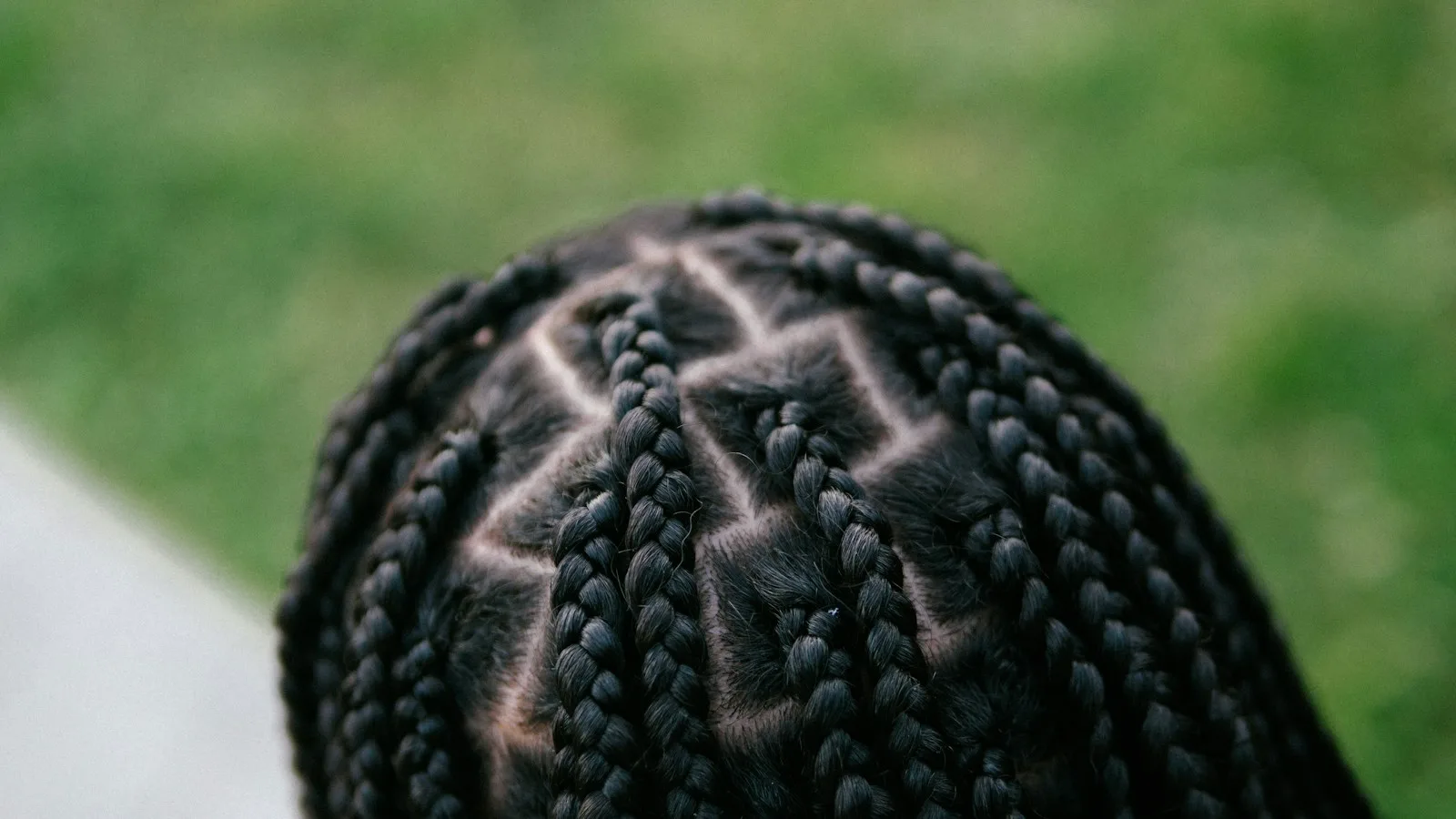
Traction alopecia is hair loss caused by constant pulling on the hair. The British Association of Dermatologists (BAD) says the most common cause is tight hairstyles, and it lists hair extensions and weaves among them. Caught early, the hair can grow back. If the pulling goes on long term, the loss can become permanent. Here's what the dermatology guidance says.
Quick answer: Traction alopecia is hair loss from repeated pulling, most often from tight ponytails, buns, braids, weaves and extensions. Signs can include itching, soreness or flaking of the scalp, redness or spots, and thin or broken hair where the tension is. The BAD says stopping tight styles is the most important step, and that early hair loss can fully regrow. See a GP if you're worried.
Key Takeaways
The BAD says tight hairstyles are the most common cause of traction alopecia.
Weaves, hair extensions, tight braids, ponytails and buns are all linked to it.
Combining tight styles with chemicals such as relaxers raises the risk further.
Hair can regrow fully if the pulling stops early, but long-term traction can make the loss permanent.
Regrowth may start around 3 months after the tight styles are stopped, the BAD says.
What traction alopecia is
The BAD's patient leaflet on traction alopecia describes it as hair loss caused by constant pulling, or traction. The pulling is usually stronger on some hairs than others, which leads to bald patches. It's different from trichotillomania, where people feel the urge to pull out their own hair.
The styles linked to it
The BAD says the pattern of loss depends on the hairstyle and where the tension is highest. It lists:
Style | Where hair loss is often seen |
|---|---|
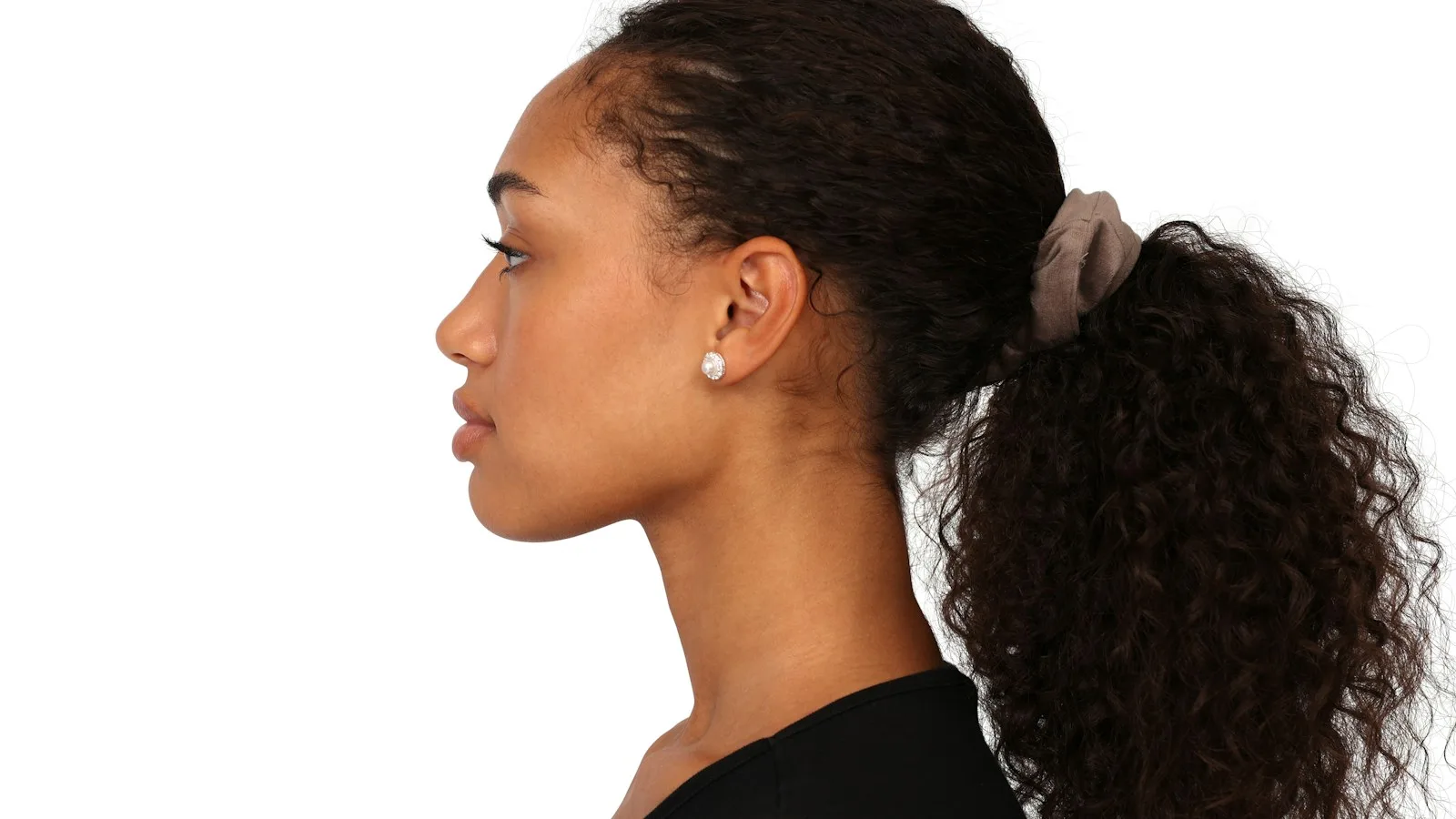
Tight ponytails | The front and sides of the scalp |
Tight buns | The sides and back of the scalp |
Tight braids, such as cornrows, and dreadlocks | Between the braids |
The leaflet also lists the attachment of weaves or hair extensions, and says the risk increases when these styles are combined with chemicals such as relaxers. Hair clips and tight headscarves have also been linked to it, and very long hair may contribute because of its weight.
Alopecia UK says it can affect anyone who wears their hair pulled back tightly for long periods, and that tight headwear such as helmets, hair grips or elastic headbands can also contribute.
Who it affects
The BAD says traction alopecia can affect people from all ethnic backgrounds, and is mainly due to hair-styling practices. It's often seen in women and children of African descent who regularly use braids or chemicals, and has been noted in the scalp and beard area of some Sikh men. Alopecia UK adds that older people may be more susceptible as hair follicles weaken over time.
Signs to watch for
Some people notice itching, soreness or extra flaking of the scalp. The BAD says the hair loss is often at the front, sides or back of the scalp, and a rim of slightly longer hairs, called the "fringe sign", may be seen at the edge of the patch. Where tight styles are still being worn, there may be redness, spots or white flakes stuck to the hairs near the edge of the patch.
Alopecia UK lists pimples, redness or itching, and thin, broken or missing hair where the tension is. In long-standing cases, the scalp can look smooth and shiny where the hair has been permanently lost.
Can the hair grow back?
Yes, depending on the stage. The BAD says that if the problem is spotted early, hair can regrow completely once the tight styles stop. Long-standing traction can destroy the hair follicle, and then the loss is permanent.
The BAD calls stopping tight hairstyles the most important step. Regrowth may start around 3 months after you stop. Alopecia UK says a dermatologist may recommend topical treatments, such as minoxidil or steroids.
How to lower the risk
The BAD's self-care advice includes:
changing hairstyles, for example cutting long hair and choosing looser styles
avoiding high-risk styles and practices such as braiding and hair extensions
avoiding chemical relaxers and too much heat from hair straighteners
protecting any bald patches from the sun with sun block or a hat
Our guide to choosing a hairdresser covers what to ask before you book.
When to see a GP
The NHS page on hair loss says to see a GP if you're worried about your hair loss, and to do that before you think about going to a commercial hair clinic. It also notes that it's normal to lose between 50 and 100 hairs a day, often without noticing.
Scalp flaking can have other causes too, which our guide to dandruff and itchy scalps explains.
If you're also using chemical treatments, read our guide to keratin treatments and formaldehyde.
Can hair extensions cause hair loss?
Yes. The British Association of Dermatologists lists the attachment of weaves or hair extensions among the hairstyles associated with traction alopecia, a type of hair loss caused by constant pulling.
Does traction alopecia grow back?
It can. The BAD says hair can regrow completely if the tight styles are stopped early, but long-term pulling can destroy the hair follicles and make the loss permanent.
How long does it take hair to grow back after traction alopecia?
The BAD says regrowth may start around 3 months after the tight hairstyles are stopped, once the hair cycle is restored.
What are the signs of traction alopecia?
The BAD says some people notice itching, soreness or increased flaking of the scalp. Alopecia UK lists pimples, redness or itching on the scalp, and thin, broken or missing hair in areas under tension.